🐅 Safari Zones in Ranthambore National Park: Complete Guide 2026
Ranthambore National Park, one of India’s most famous tiger reserves, is divided into several safari zones — each offering a unique landscape, wildlife density, and tiger sighting experience. Understanding these zones can help you choose the right one for your Ranthambore jungle safari and increase your chances of spotting the majestic Royal Bengal Tiger.
In this blog, we’ll take you through every safari zone in Ranthambore, what makes each special, and how to pick the right one for your safari adventure in 2026.
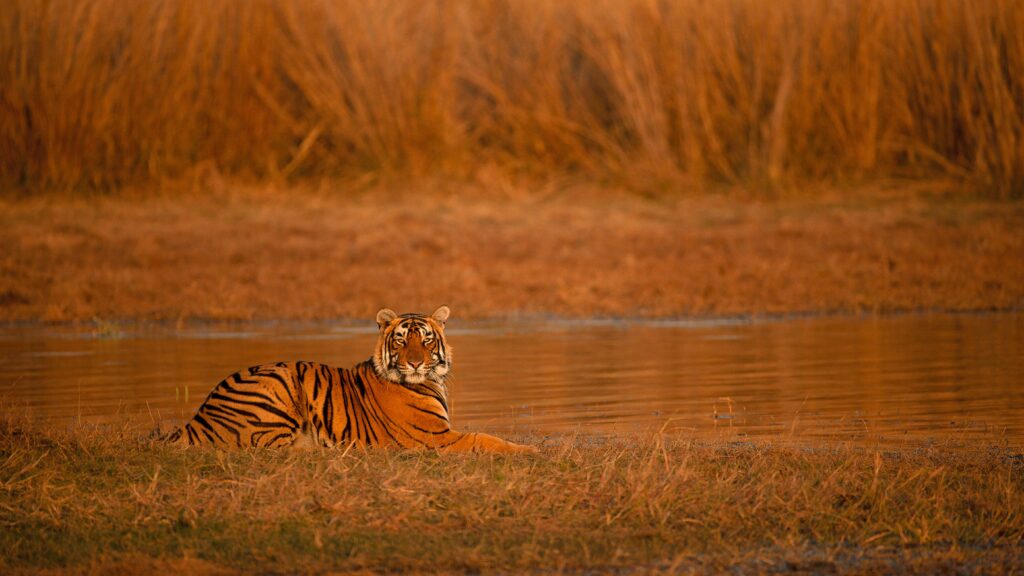
🌿 Overview of Ranthambore Safari Zones
Ranthambore National Park currently has 10 safari zones, divided into core and buffer areas:
- Zones 1 to 5 are the core zones, known for the highest chances of tiger sightings.
- Zones 6 to 10 are the buffer zones, rich in flora, fauna, and scenic beauty, often less crowded but equally rewarding.
Core Safari Zones (1–5): The Heart of Ranthambore
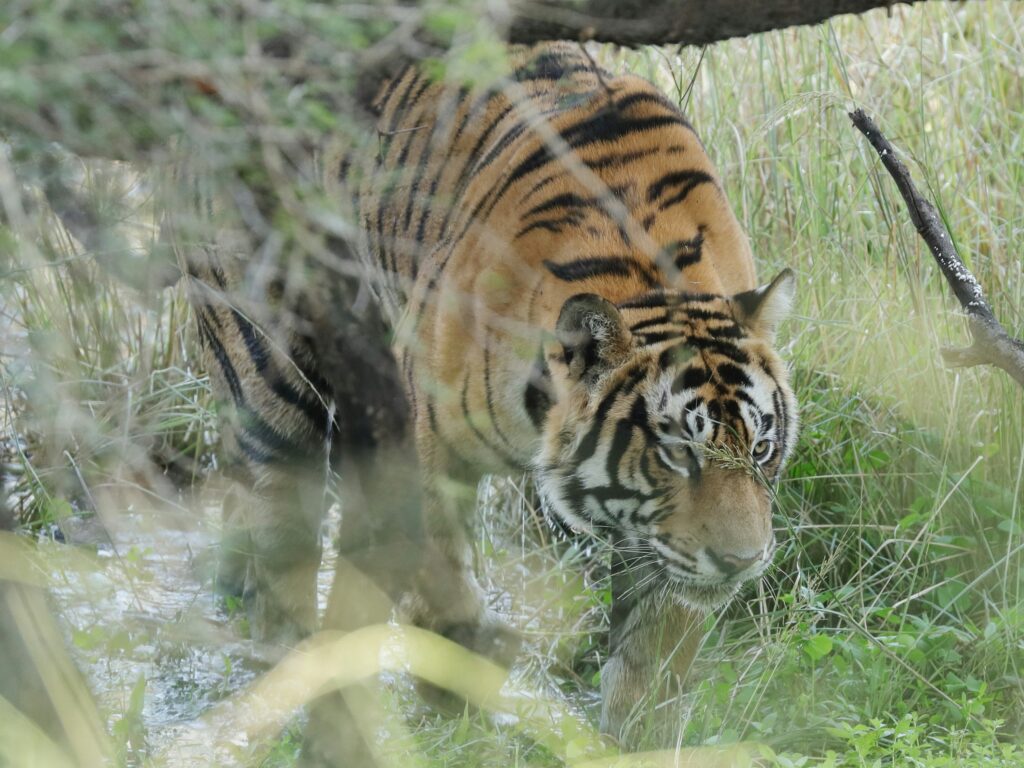
Zone 1: The Classic Tiger Territory
Zone 1 is one of the most famous tiger territories, home to the legendary tigress Arrowhead (T-84) and her cubs. This zone includes the famous Tuti ka Nalla, Singh Dwar, and Aadi Dagar regions.
- Best known for: Frequent tiger sightings near the water bodies.
- Landscape: Dense forest patches with rocky outcrops.
Zone 2: Sightings Galore
Zone 2 covers areas like Jhalra, Phuta Bandha, and Nal Ghati, making it one of the most diverse zones for wildlife spotting. Tigers like T-60 and T-57 are often sighted here.
- Best known for: Consistent sightings of tigers, leopards, and sloth bears.
- Landscape: Grasslands, streams, and rocky terrain.
Zone 3: Home to the Star Tigers
Perhaps the most photographed zone, Zone 3 includes Padam Talab and Rajbagh Lake, famous for its ruins and stunning backdrops. Tigers like Arrowhead (T-84) and Riddhi (T-124) are frequently spotted here.
- Best known for: Iconic tiger photographs with lakes and ruins.
- Landscape: Lakes, ruins, and open meadows.
Zone 4: The Mystery Zone
Zone 4 has a mix of thick vegetation and open forest. This is where Machli, the world-famous tigress of Ranthambore, once ruled. Today, it’s home to tigers like T-19, Riddhi, and Noor (T-39).
- Best known for: Historical significance and scenic beauty.
- Landscape: Dense forest, hilly terrain, and small water bodies.
Zone 5: Tiger Hotspot
Zone 5 shares its boundary with Zone 4 and is equally rich in wildlife. Known for regular tiger movements between both zones, you can often spot Noor and her cubs here.
- Best known for: High tiger activity and fewer vehicles compared to other core zones.
- Landscape: Dry deciduous forest with watering holes.
Buffer Safari Zones (6–10): Offbeat and Peaceful

Zone 6: Kundal – The Photographers’ Paradise
Zone 6, also known as Kundal, offers vast open landscapes, rocky hills, and excellent visibility. Tigers from Zone 1 and 2 often cross into Kundal, making it an underrated gem.
- Best known for: Wide-angle photography opportunities and peaceful safaris.
- Landscape: Open grasslands and low hills.
Zone 7: Chidikho – The Quiet Escape
Zone 7 is relatively smaller but offers calm and serene safari experiences. Sightings are less frequent but the terrain is beautiful.
- Best known for: Peaceful drives and occasional leopard sightings.
- Landscape: Arid forests and open ridges.
Zone 8: Balas – Scenic and Serene
Zone 8 (Balas) has thick vegetation and scenic water points that attract a variety of animals. Tiger sightings here are occasional but the experience is raw and natural.
- Best known for: Birdwatching and tranquil forest drives.
- Landscape: Dense forest cover and hilly terrain.
Zone 9: Kuwalji – The Hidden Gem
Located about 45 km from Ranthambore, Zone 9 (Kuwalji) is home to T-42 (Fateh) and other tigers. It’s also rich in leopards, hyenas, and sloth bears.
- Best known for: Offbeat adventure and predator diversity.
- Landscape: Rocky terrain with dry streams and valleys.
Zone 10: Aantri – The Explorer’s Zone
Zone 10 is one of the newer additions and is known for its raw wilderness and fewer tourists. You might spot T-83 (Lightning) or other tigers crossing into this zone.
- Best known for: Secluded safaris and pristine landscapes.
- Landscape: Mixed deciduous forest and open grassland.
📅 Which Zone is the Best for Tiger Sightings?
While tiger sightings depend on luck and timing, Zones 2, 3, and 4 are widely regarded as the best zones for regular sightings. However, the buffer zones (especially Zone 6) are catching up fast due to growing tiger movement and reduced crowds.
💡 Tips for Choosing Your Ranthambore Safari Zone
- Book early: The Rajasthan Forest Department allows safari bookings up to 90 days in advance.
- Core vs. Buffer: If tiger sightings are your main goal, choose core zones (1–5). For scenic beauty and peaceful drives, go for buffer zones (6–10).
- Time your safari: Morning safaris offer better lighting and cooler temperatures, while evening safaris are great for sunset photography.
- Choose your vehicle: Opt for a Jeep Safari for a more personalized experience or Canter Safari for budget-friendly group tours.
🧭 Final Thoughts
Every zone in Ranthambore National Park tells a different story — from the legendary lakes of Zone 3 to the rugged hills of Zone 10. Whether you’re a wildlife photographer, nature lover, or first-time visitor, choosing the right zone can transform your safari experience.
Plan your safari smartly, book your preferred zone in advance, and let the wild heart of Ranthambore surprise you!
Wildtrails® is a registered trademark.
Our mission is to make wildlife tourism transparent, trackable, and unforgettable—powered by data, driven by passion.
We proudly lead the way in blending technology with the magic of the wild.
Since wildlife movement changes over time, it’s important to review recent sighting data before finalizing your zone. This ensures you’re headed where the action currently is.
📊 Sightings Matter: Why WildTrails’ Data Sets You Apart
At WildTrails, we believe tiger sightings are 10% luck and 90% knowledge, preparation, and timing. That’s why we created the Tiger Sighting Index — a tool backed by real data to help you decide where, when, and how to plan your safari.
We collect sightings data from multiple local sources across regions — whether it’s birds or big cats — and convert it into actionable summaries. This empowers travellers with up-to-date information on zone activity and animal movement, dramatically increasing the chances of memorable sightings.
👉 Click here to know more about the WildTrails Sighting Index
🧭 Why Expert Guides are very helpful
The jungle may appear calm — but to a trained eye and ear, it’s alive with signals. A knowledgeable guide knows how to decode nature’s whispers.
From alarm calls of deer and langurs to fresh pugmarks in the soil, every detail tells a story and gives a cue. A skilled guide reads clues like scent trails, ripples in waterholes, drag marks, or disturbed vegetation. These are signs most travellers might overlook — but guides interpret them to track elusive wildlife, turning a casual safari into an authentic, thrilling experience.
A good guide doesn’t just take you on a drive — they narrate the story of the jungle.
🌐 WildTrails.in — Your One-Stop Safari Planning Platform
Let’s face it: planning a wildlife safari can feel overwhelming.
You have to:
- Choose the right park and best gate or zone
- Book permits and tickets
- Find accommodation near your chosen gate
- Hire knowledgeable guides
- Arrange hassle-free local transfers from the nearest airport or railway station straight to your hotel or the designated safari gate.
- Rent or carry the right camera gear
- Understand rules like gate timings, mobile phone restrictions, ID requirements, etc.
And to do all this, travellers often have to coordinate with multiple vendors — tour operators, local guides, forest departments, hotel managers, and more.
That’s exactly where WildTrails.in comes in.
We’ve built a unified platform that lists all the essential vendors you need – in one place so that you connect with them in one place. Whether it’s booking the right stay, securing permits, finding an expert guide, or accessing sightings data, WildTrails simplifies every step of your safari journey.
🎯 Why Choose WildTrails?
✅ Sightings data
✅ Smart zone recommendations
✅ Essential ecosystem vendors
✅A one-stop wildlife travel platform bringing together safari booking agents, hotels, local transport, guides, tour operators, and even camera rentals — all in one place.
Track. Choose. Spot.
That’s the WildTrails edge.
🔗 Ready to Plan Smarter?
Visit WildTrails.in to explore zone-wise information, recent sightings, vendor connections, and everything you need to craft a perfect Tadoba safari.
Your jungle adventure awaits. 🌿🐅
Stay connected with us on social media for the latest wildlife updates, travel inspiration, safari tips, and real-time sightings — join the WildTrails community today.
With 4 years of Sightings data + Extensive expert tracker network in jungles, our customers had the best wildlife experiences.

Buy Wildlife Fashion Accessories
Exclusive Online Store for wildlife products
Packages
Packages Loading...
Recent Posts